

Mistakes I Made Learning Colored Pencil (So You Don’t Have To)
Shana Williamson
2/10/20263 min read
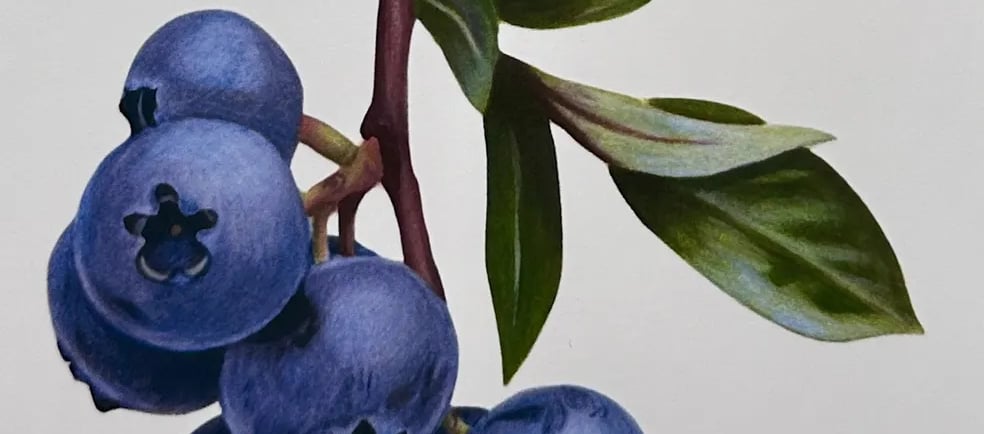
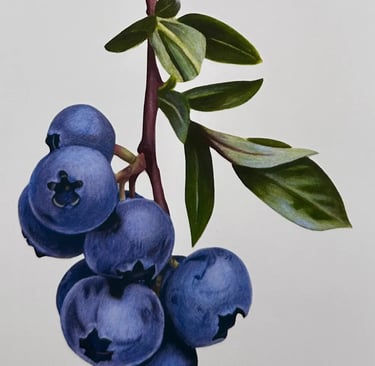
When I first started working with colored pencil, I thought the medium would be simple. After all, I’d been using pencils my whole life. How hard could it be?
Turns out… pretty hard 😅—at least if you’re trying to get professional, consistent results.
As a self-taught colored pencil artist, I learned mostly through trial, error, and a lot of frustration. Looking back, there are a few mistakes I made early on that slowed my progress way more than necessary. If you’re learning colored pencil now, my hope is that sharing these will save you time (and a few headaches).
1. Thinking Pressure Was the Key to Good Color
One of my biggest early mistakes was pressing too hard too soon. I believed that bold color came from heavy pressure, so I’d dig into the paper right from the first layer.
What actually happened:
The paper surface filled up too fast
I couldn’t add more layers
Colors looked flat and muddy instead of rich
It took me a long time to understand that colored pencil is a layering medium, not a pressing medium. Light pressure allows you to slowly build depth, adjust color, and keep your paper workable much longer.
What I do now:
I start extremely light—almost too light—and gradually increase pressure only in the final stages.
2. Using the Wrong Paper (and Blaming Myself)
For months, I assumed my struggles were a skill problem. In reality, a lot of it came down to paper choice.
I used:
Paper that was too smooth
Paper that couldn’t handle many layers
Paper meant for graphite or markers
No matter how carefully I worked, my drawings never looked the way I imagined.
Lesson learned: paper matters a lot with colored pencil. Tooth, surface durability, and how it accepts pigment can make or break your drawing.
What I do now:
I test paper intentionally and stick to surfaces that support heavy layering and fine detail.
3. Expecting Fast Results
I came into colored pencil with the mindset that improvement should be visible quickly. When my drawings didn’t suddenly look professional after a few weeks, I felt discouraged.
Colored pencil is slow by nature:
Layers take time
Drawings can take dozens (or hundreds) of hours
Progress is often subtle, not dramatic
Comparing my early work to experienced artists made it worse.
What I learned:
Slow progress doesn’t mean no progress. Skill builds quietly.
What I do now:
I look back at older work instead of comparing myself to artists years ahead of me.
4. Avoiding “Boring” Fundamentals
I wanted to draw finished pieces all the time. I skipped over studies because they felt repetitive or unexciting.
That meant I avoided:
Simple form studies
The result? My drawings lacked depth and realism, and I didn’t fully understand why.
What changed:
Once I started practicing fundamentals—even in small doses—my finished work improved much faster.
You don’t need to spend hours on drills, but completely avoiding them will catch up with you.
5. Overworking Instead of Stepping Away
When something didn’t look right, I’d keep adding layers, convinced I could “fix it” if I just worked harder.
Most of the time, I made it worse:
Colors lost clarity
Paper got damaged
Details disappeared
Sometimes the best move isn’t another layer—it’s distance.
What I do now:
I step away, come back with fresh eyes, and decide whether the problem actually needs more work—or less.
6. Not Studying My Own Finished Work
Early on, once a piece was done, I moved on immediately. I didn’t analyze what worked or what didn’t.
That meant I repeated the same mistakes over and over.
Now I ask myself:
What part of this worked best?
Where did I struggle the most?
What would I do differently next time?
That reflection has been one of the biggest drivers of improvement in my work.
7. Thinking Being Self-Taught Was a Disadvantage
For a long time, I believed that not going to art school put me behind. I thought I was missing some secret knowledge everyone else had.
Over time, I realized being self-taught also meant:
Learning at my own pace
Choosing what mattered most to my style
Developing problem-solving skills through experimentation
My path wasn’t wrong—it was just different.
Final Thoughts
If you’re learning colored pencil and making some of these mistakes, you’re not failing—you’re learning. Every artist goes through this phase, whether they talk about it or not.
Colored pencil rewards patience, curiosity, and consistency far more than talent or speed. If you stick with it, the progress will come—even if it’s slower than you’d like.
If I could go back and tell my beginner self one thing, it would be this: you’re doing better than you think—keep going.